Comprehensive Data Summary of Drywall Screws
1. Basic Definition & Core Applications
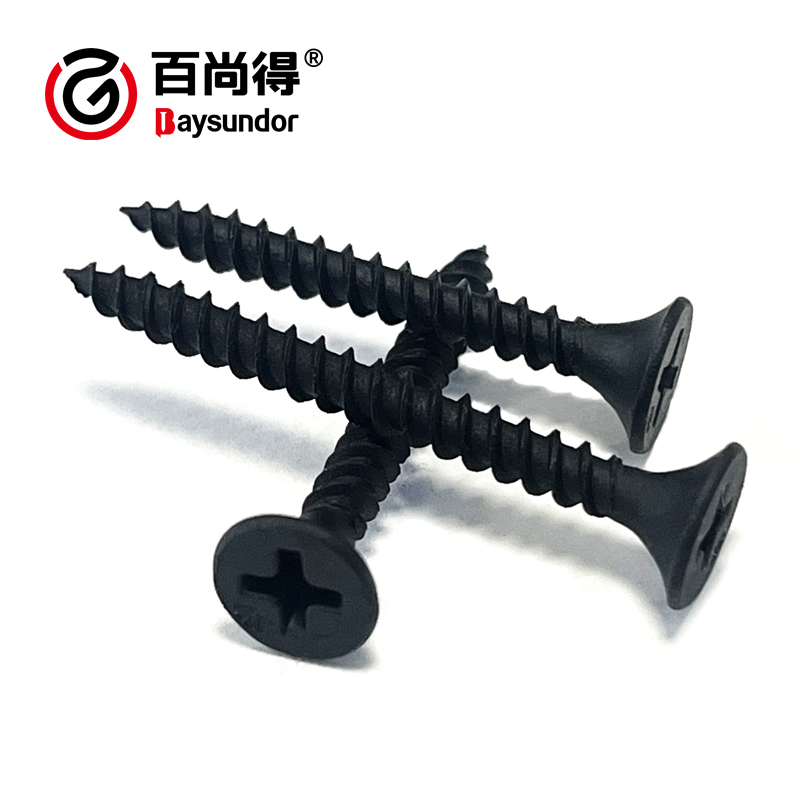
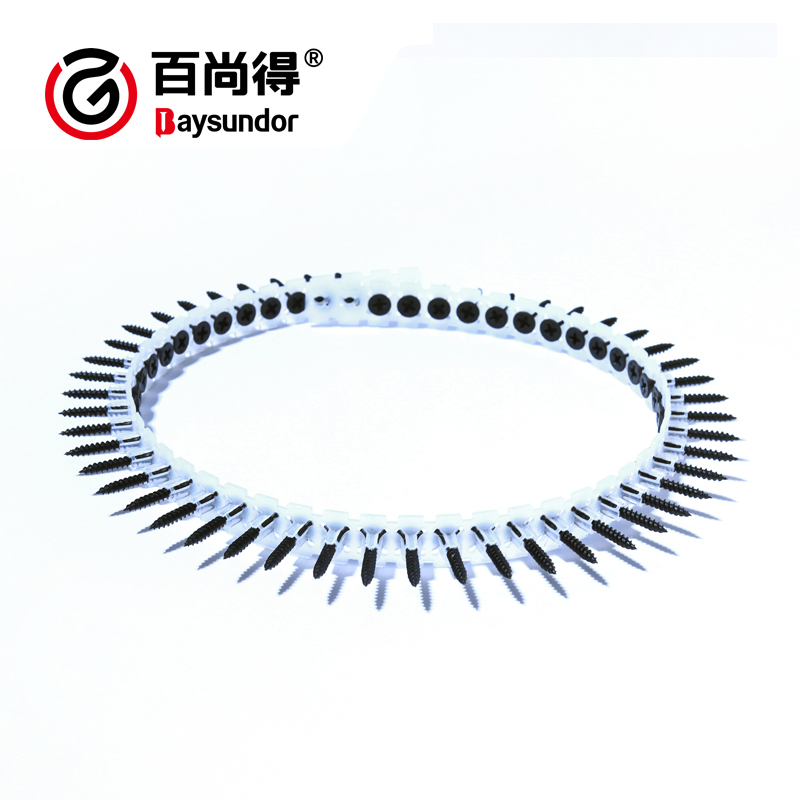
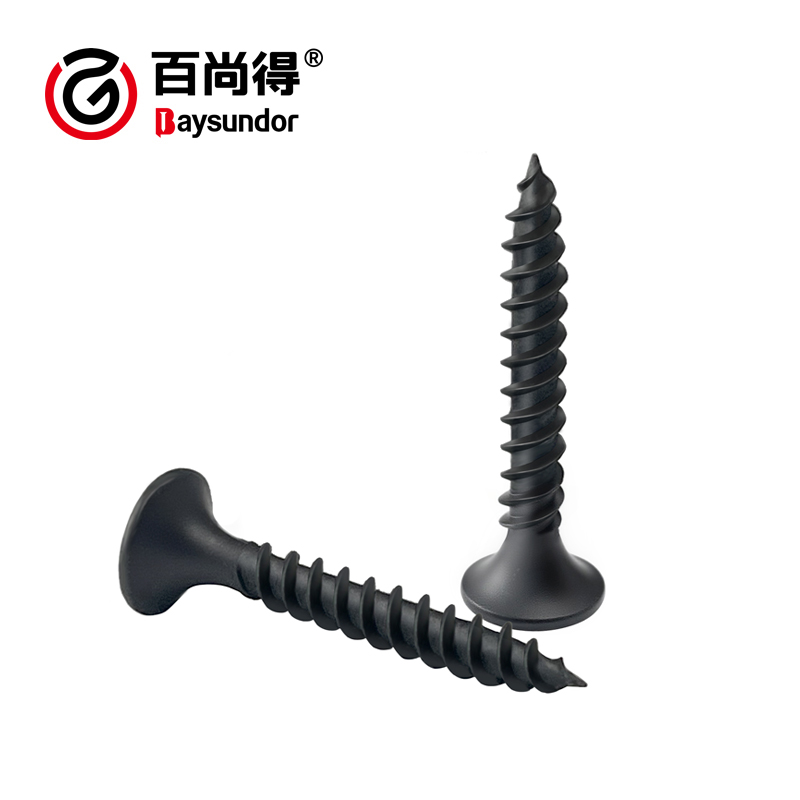
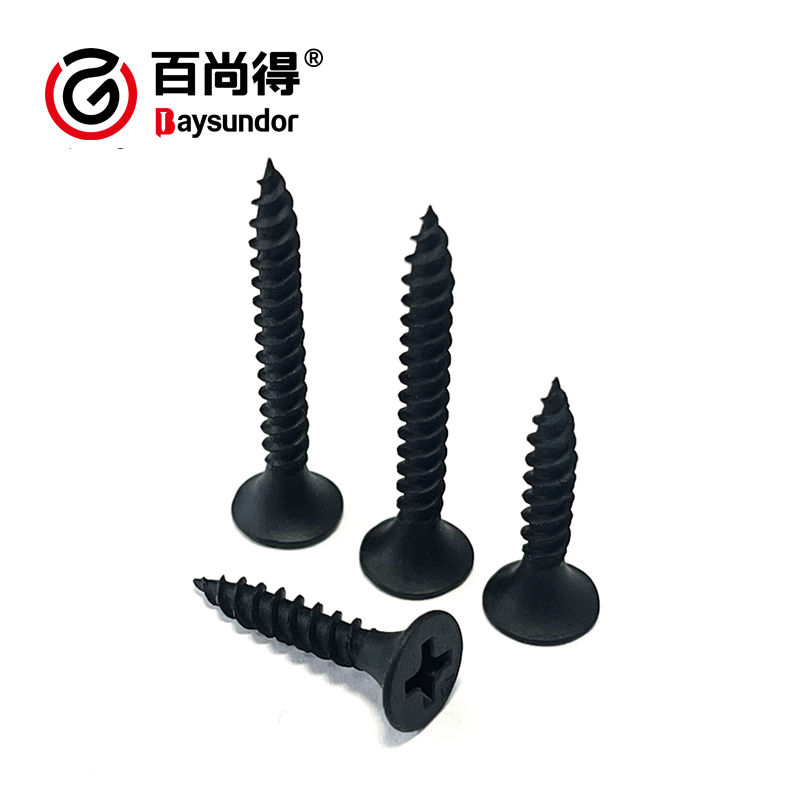
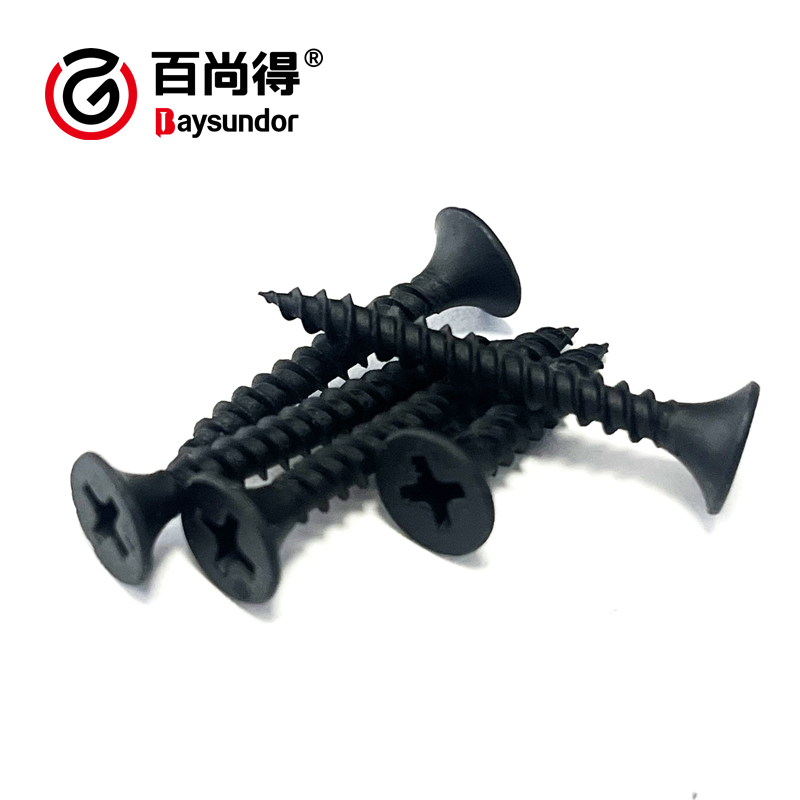
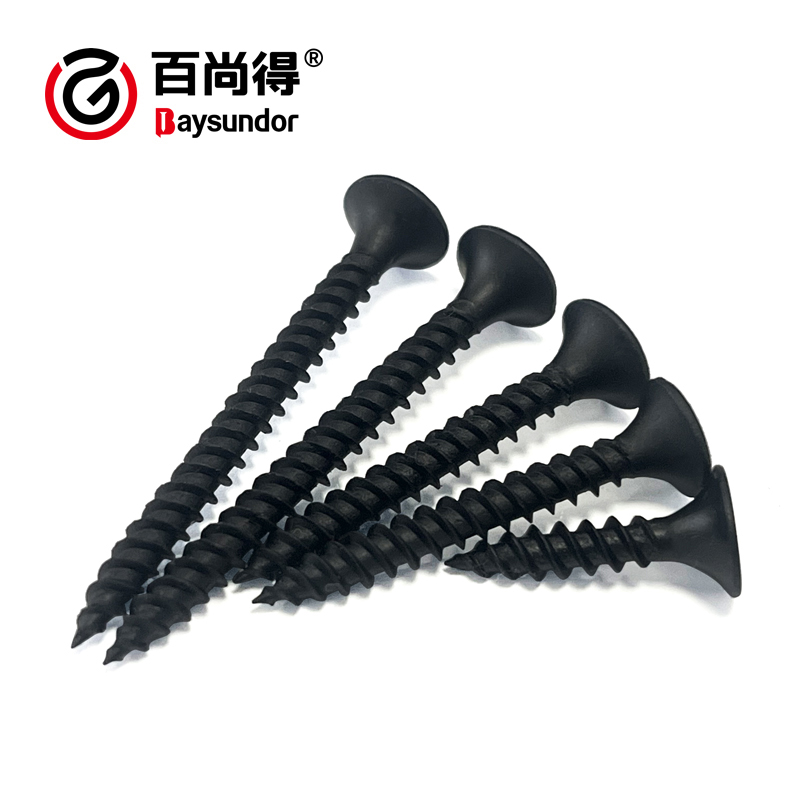
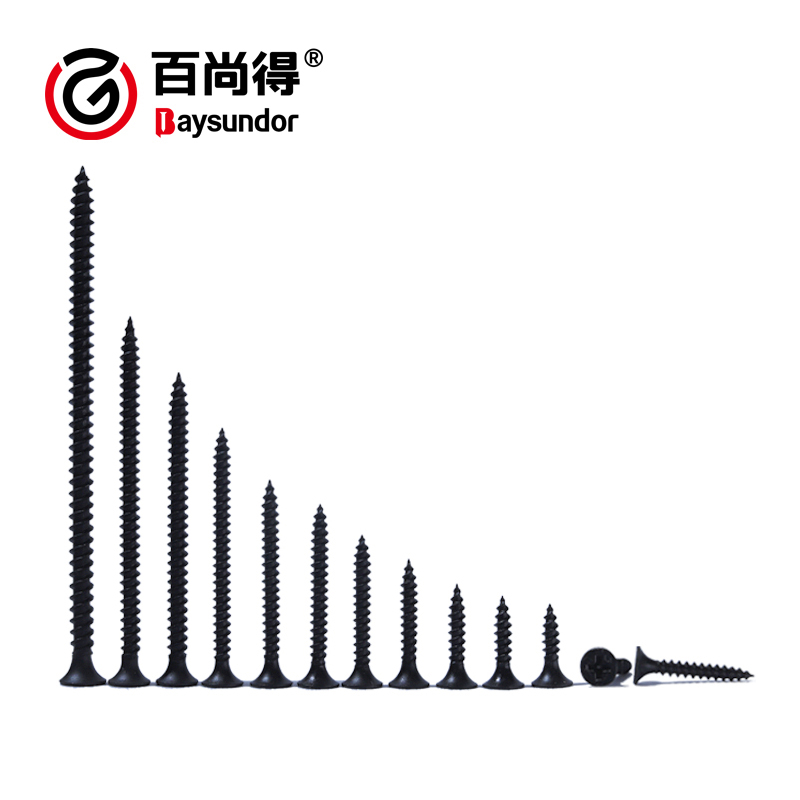
Drywall screws, also known as drywall fasteners or gypsum board screws, are specialized self-tapping fasteners designed for fixing gypsum board (drywall). They are a key product in the self-tapping screw family.
Core Applications
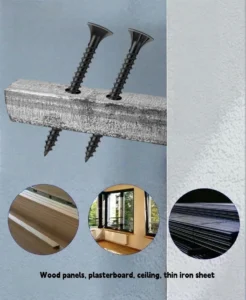
- Mainly used to fix gypsum board to wooden or light-gauge steel studs, widely applied in interior decoration, partition walls and ceiling projects.
- Suitable for repairing popped nails (circular bulges on walls), replacing traditional nails to avoid such problems.
- Can be used for fixing light materials such as color steel plates, aluminum gussets, cable trays and electrical junction boxes.
- Auxiliary fixing in electrical wiring systems.
2. Classification System
2.1 Classification by Thread Type (Core Classification)
| Type | Features | Suitable For | Advantages |
|---|---|---|---|
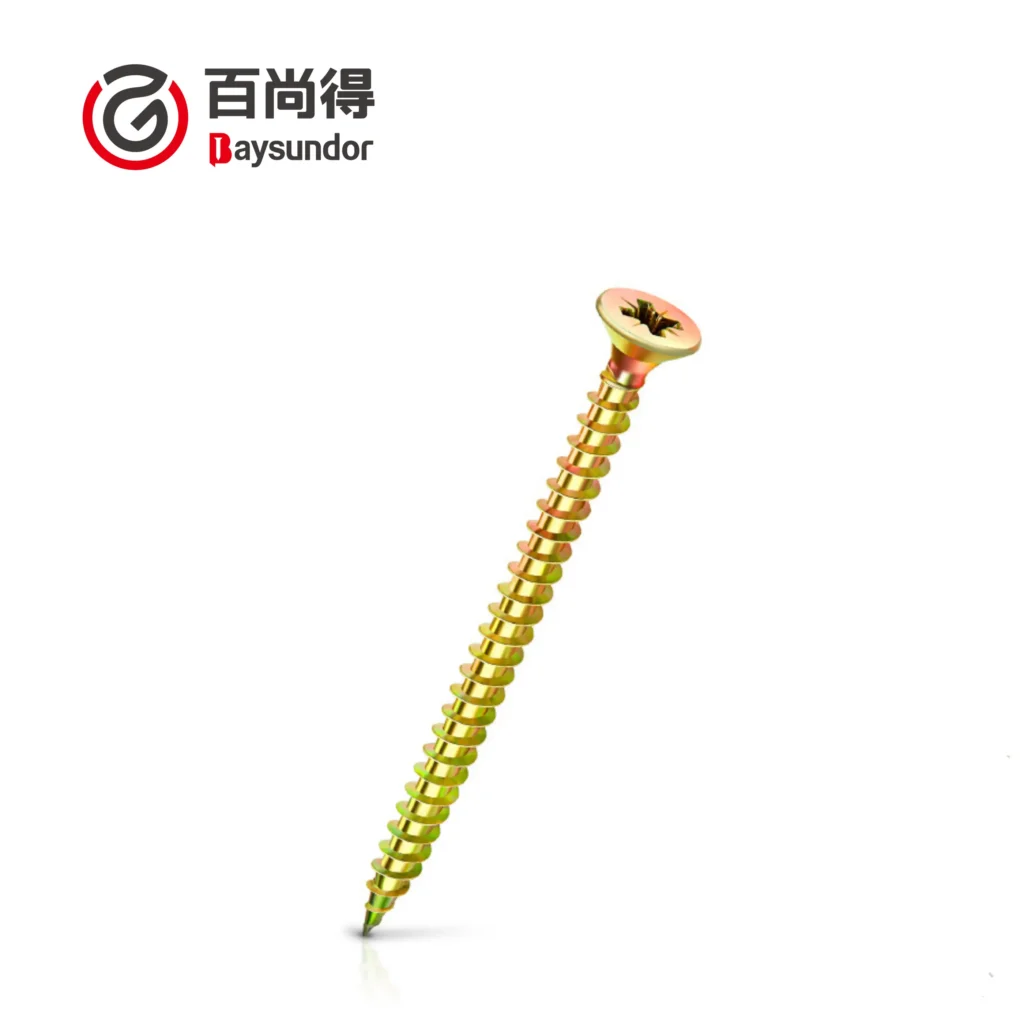
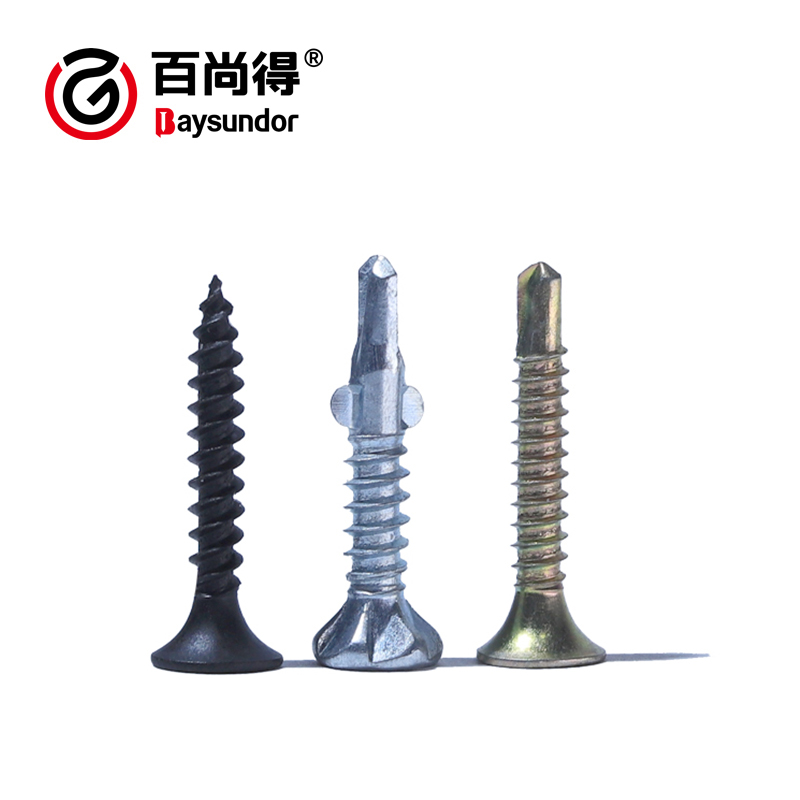
| Coarse Thread Drywall Screw (Type W) | Wide thread pitch, single thread | Gypsum board to wooden studs | Fast driving, no damage to wood structure, strong holding power |
| Fine Double Thread Drywall Screw (Type S) | Fine double thread | Gypsum board to steel studs ≤0.8 mm | High thread density, strong fastening performance, high tensile resistance |
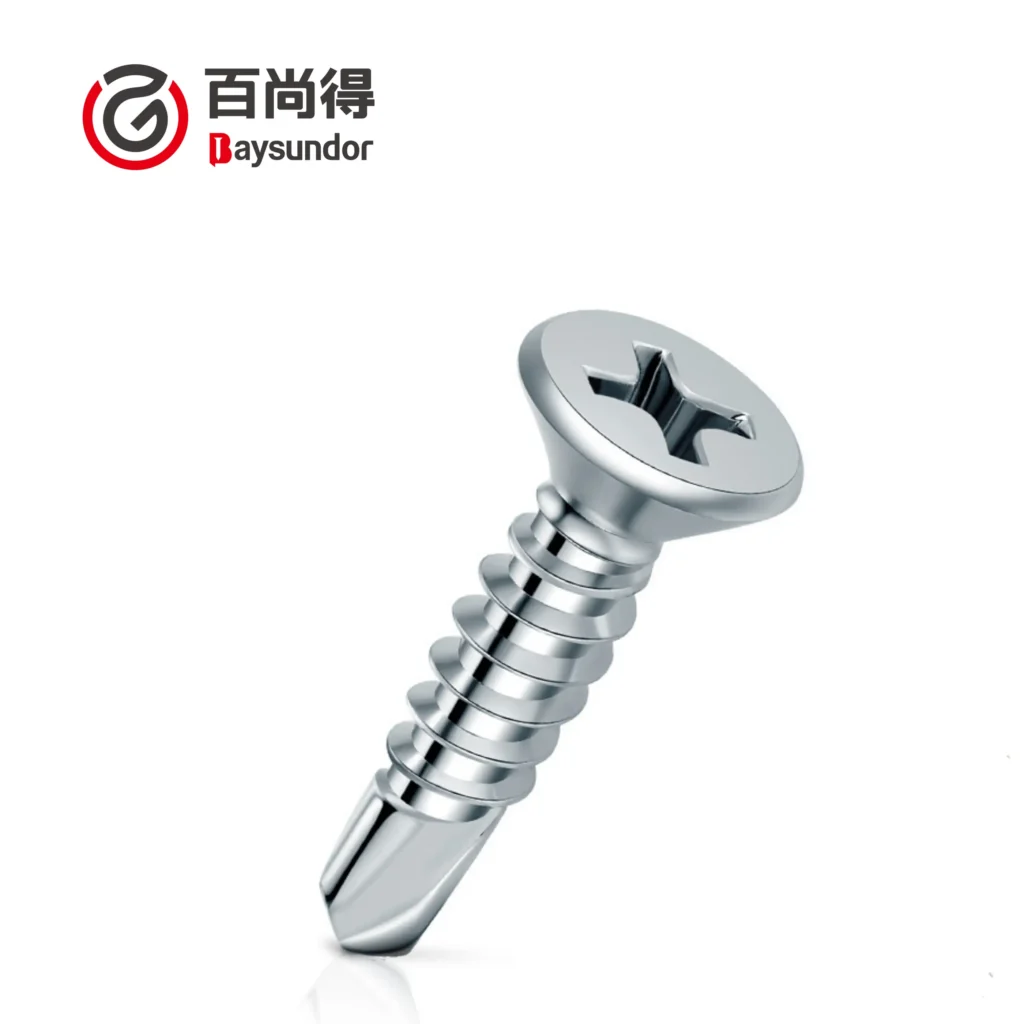
| Self-Drilling Drywall Screw (Type G) | With drill point, penetrates thicker metal | Gypsum board to steel studs 0.8–3 mm | No pre-drilling needed, high installation efficiency |
2.2 Classification by Head Shape
- Bugle Head: Most common, can be flush or slightly recessed into gypsum board for easy putty finishing.
- Countersunk Head: Fully recessed into gypsum board, ideal for hidden fastening.
- Pan Head: Larger head diameter, low pressure, less likely to damage gypsum board.
2.3 Classification by Surface Treatment
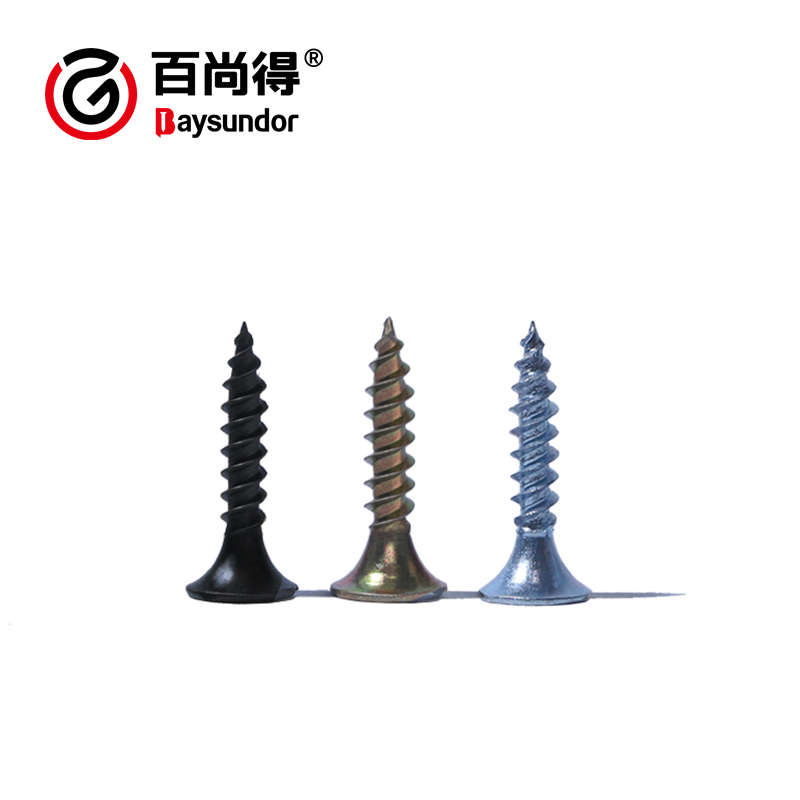
- Phosphating: Grey-black, forms micro-porous structure for strong bonding with gypsum board, low cost.
- Galvanizing: Electro-galvanizing (5–8 μm) and hot-dip galvanizing, good corrosion resistance for humid environments.
- Epoxy Coating: High-end finish, corrosion resistance improved by over 3 times.
- Dacromet: Excellent salt-spray resistance, suitable for outdoor or high-humidity environments.
2.4 Classification by Drive Type
- Phillips Drive (PH2): Most common, deep recess to prevent cam-out.
- Pozidriv Drive: 8-way contact, torque resistance increased by 60%, used in high-end products.
- Hex Socket: For applications requiring high torque.
3. Specifications & Parameters
3.1 Dimensions
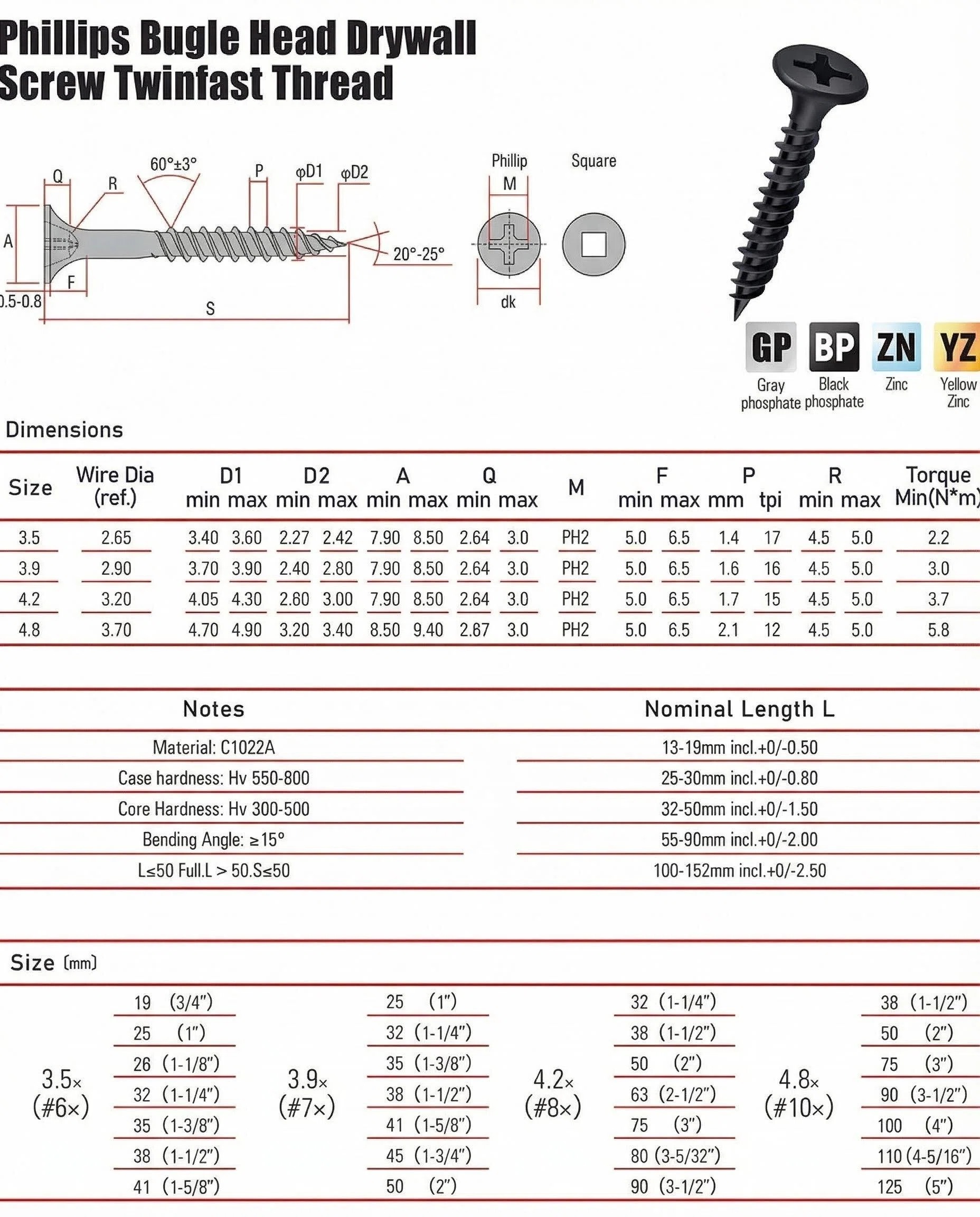
- Diameters: #6 (3.5 mm), #7 (3.9 mm), #8 (4.2 mm), #10 (4.8 mm), #12 (5.2 mm). #6 and #8 are most popular.
- Lengths: 12 mm (1/2”) to 203 mm (8”). Common: 16 mm, 25 mm, 35 mm, 40 mm (1 5/8”), 50 mm.
- Selection Rule: Length should penetrate the stud by at least 3 mm; diameter increases with board thickness.
3.2 Material & Mechanical Properties
- Raw Material: C1022A medium carbon steel; stainless steel for high-end products.
- Heat Treatment: Quenched and tempered, point hardness over HRC45, high hardness, not easy to break.
- Key Properties
Tensile strength: ≥600 MPa
Surface hardness: HRC 45–52
Core hardness: HRC 32–38 (ensures toughness)
4. Production Process
Wire Drawing: Reduce carbon steel wire to required diameter.
- Cold Heading: Form head and shank.
- Thread Rolling: Create single or double threads.
- Heat Treatment: Quench and temper to improve hardness and toughness.
- Surface Treatment: Phosphating, galvanizing or epoxy coating.
- Inspection & Packaging: Check dimensions, hardness, surface quality, pack to standard.
The About Us page has detailed information.→
5. International & Industrial Standards
- DIN 18182: German standard, widely recognized internationally.
- ANSI B18.6.4: US standard for dimensions, materials and performance.
- GB/T 3098.11: Chinese national standard for self-tapping screws.
6. Selection & Installation Tips
6.1 Three Selection Principles
- Matching: Choose thread type according to stud material (wood/metal) and thickness.
- Length: Penetrate stud by at least 3 mm; ceiling screws are 1/4” longer than wall screws.
- Material: Use galvanized or epoxy-coated screws in humid areas.
6.2 Installation Notes
- Use dedicated electric screwdrivers; avoid manual installation for uneven force.
- Screw spacing: ≤200 mm for walls, ≤175 mm for ceilings; denser at edges.
- Do not over-tighten to avoid damaging gypsum paper or breaking screws.
- Confirm stud thickness before installation for steel studs.
7. Market Overview & Trends
- Global drywall screw market grows steadily; China is a major production base.
- Over 80% of demand focuses on the size 3.5×25 mm.
- Trends:
Wider use of eco-friendly surface treatments (e.g., chrome-free Dacromet).
Popularity of anti-loosening designs (flanged, special threads).
Increased use of high-torque drives such as Pozidriv.
8. Differences from Similar Products
| Product | Drywall Screw | Wood Screw | Particleboard Screw |
|---|---|---|---|
| Head | Mainly bugle head | Round / countersunk | Mainly countersunk |
| Thread | Coarse / fine double thread | General coarse thread | Fine thread |
| Application | Gypsum board + studs | Solid wood joining | MDF / particleboard |
| Hardness | High (HRC45+) | Medium | Medium–high |
| Price | Medium | Low | Medium–high |